In partnership with

Smart starts here.

You don't have to read everything — just the right thing. 1440's daily newsletter distills the day's biggest stories from 100+ sources into one quick, 5-minute read. It's the fastest way to stay sharp, sound informed, and actually understand what's happening in the world. Join 4.5 million readers who start their day the smart way.
Tip of the day
Everyone has one shot they wind up for like a home run is coming. For plenty of players it is the two-handed backhand dink.
Jack Munro's rule is see ball, see paddle at the same time. When the ball is coming and your paddle has disappeared behind you, that backswing is where the unforced errors come from.
So he sets the paddle down immediately and pushes through. His off hand does 70 to 80 percent of the work because it is the hand behind the paddle, which makes the shot closer to an offhand forehand than to anything his dominant hand does.
He also rests one or two fingers on the edge of the paddle. Two gives him more stability behind the paddle face and fewer shanks.
Getting around the outside of the ball puts side topspin on it rather than pure topspin, so it kicks off the court. He can still send that same motion down the line.
Placement is the part most players skip. Pulling one wide works, but go deeper as you go wider so you are not feeding an easy ATP, and the inside foot is the spot that lets you crowd the middle afterwards.
The speed up is the same setup. He just accelerates faster and brushes the top of the ball, with the arm driving and the wrist tagging along to add the spin.
That is why the disguise works, because with no backswing there is nothing to read until contact. He tries to make more than 80 percent of his speed ups, and would rather feed a lob than miss one in the net.
Then go with it. Standing still after an aggressive dink wastes it, so follow the ball in, lean, and take the next short hop out of the air.
What no summary can show you is the disguise itself. In the live rally section Richard is standing across the net calling his reads out loud and getting them wrong.
Key points
See the ball and your paddle at the same time, which means setting the paddle down as the ball comes instead of looping it behind you.
Let your off hand do 70 to 80 percent of the work, since it is the hand behind the paddle.
Get around the outside of the ball for side topspin that kicks off the court.
Go deeper as you go wider so a wide dink does not turn into an easy ATP.
Try to make more than 80 percent of your speed ups, and feed a lob rather than miss one in the net.
Deal of the day
Meme of the day
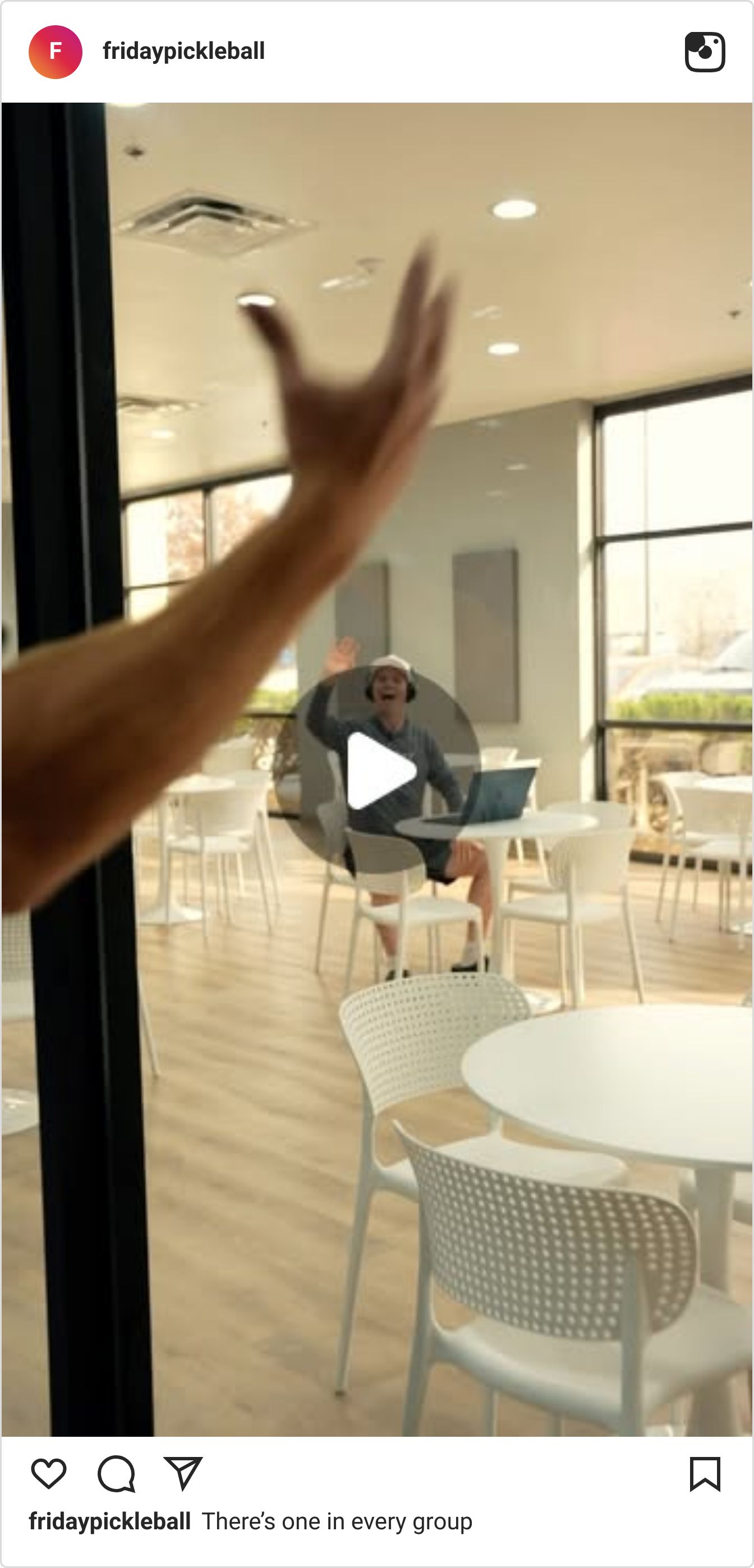
One in every group 🤣
That’s it for today! As always, thank you for reading. 🙏
What did you think of today’s newsletter? Please reply with how you think I can improve. I read your feedback and appreciate all of it (for real)! 😄
Happy pickling,
Paul
