In partnership with

Smart starts here.

You don't have to read everything — just the right thing. 1440's daily newsletter distills the day's biggest stories from 100+ sources into one quick, 5-minute read. It's the fastest way to stay sharp, sound informed, and actually understand what's happening in the world. Join 4.5 million readers who start their day the smart way.
Tip of the day
When a speed up comes at you, the thing that decides the exchange is usually not your hands. It is whether your head stayed still.
Roscoe Bellamy's point is that amateurs flail during a counter and their head goes everywhere, and your head is what controls your balance. Pros counter with a still head and a compact swing.
The other half of being hard to attack is knowing what you actually have to cover. When the ball is in the corner on your side, you only own the down the line shot and your own body, and everything else belongs to your partner.
That is two spots instead of the whole court, which is why pros look like they anticipate everything.
Underneath both of those is posture. Pros stay lower and wider in their base, which makes them quicker to move and more balanced when they arrive.
They also take extra small steps to get the outside leg behind the ball rather than leaning and reaching for it. Leaning is what forces you to make up the difference with your upper body.
In the transition zone specifically, do the work with your legs instead of hinging at the hips over the ball. Strong, low legs are what make a reset repeatable.
The same discipline shows up in how pros get to the kitchen at all. Rather than betting everything on one perfect third shot drop, they drive the third at the returner and drop the fifth when the return was deep.
The other combination is a decent drop followed by a reset from the transition zone, treating that reset as a bridge to the line rather than a failure.
Attacks work the same way. The first ball is a setup at maybe sixty percent into a vulnerable spot like the outside wing, and the putaway is the ball after it.
Then move. After an aggressive roll dink, lean toward the middle to close the gap, so a pop up becomes a putaway rather than a missed opportunity.
Key points
Counter with a still head and a compact swing, because your head controls your balance.
When the ball is in the corner you only cover the down the line shot and your own body.
Take extra small steps to get your outside leg behind the ball instead of leaning for it.
Drive the third at the returner and drop the fifth when their return was deep.
Lean toward the middle after an aggressive roll dink so a pop up becomes a putaway.
Deal of the day
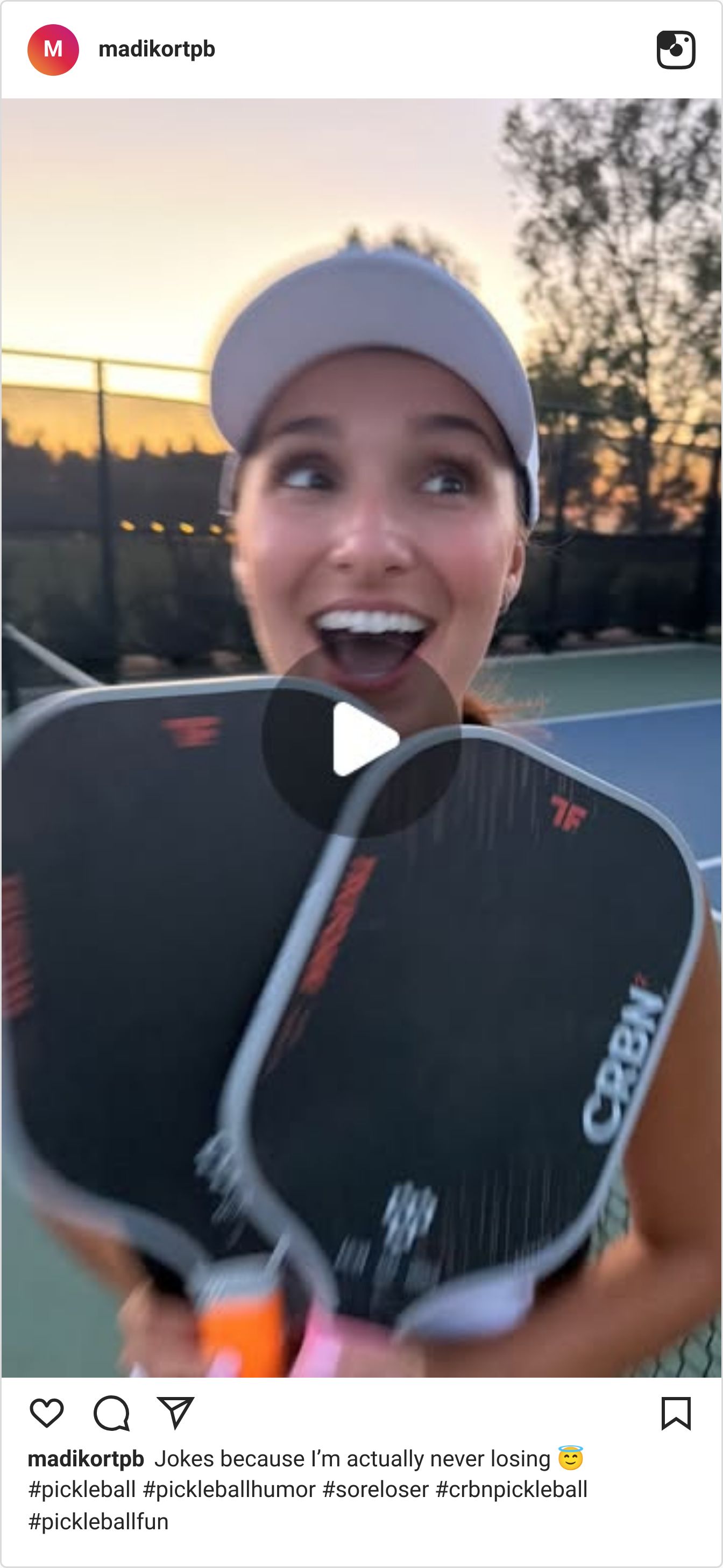
Meme of the day
Sorry, not sorry! 🤣
That’s it for today! As always, thank you for reading. 🙏
What did you think of today’s newsletter? Please reply with how you think I can improve. I read your feedback and appreciate all of it (for real)! 😄
Happy pickling,
Paul
