Sponsored by

Your K-Cup Has Been Sitting in a Warehouse for Months

That grocery store pod? It was roasted long before it hit the shelf. Coffee starts losing flavor within weeks of roasting — which is why your morning cup tastes flat, no matter how nice your machine is.
Angelino's does it differently. A third-generation roaster in Los Angeles, they roast, grind, and seal every pod in-house for peak freshness, then ship it to your door within days of roasting. The difference is the first thing you'll notice: real aroma, real flavor, no bitterness.
Mix and match from 50+ specialty coffees, teas, and flavored blends — all Keurig®-compatible — and save more with every box you add, up to 34% off at 12+. Order once whenever you're running low, or subscribe for an extra 5% if that's easier. Entirely up to you.
New customers get 15% off their first order — applied automatically, no code needed.
Tip of the day
You learned the two-handed backhand, it felt amazing, and now your off hand never leaves the paddle. Zane Navratil sees this in a lot of amateurs, and he calls it a trap.
The two-hander is great for drives, counterattacks, aggressive dinks and speed ups. Its one huge flaw is reach: you get far less of it with two hands than with one.
So you need a one-hander just as much, and Zane names four jobs for it.
Defending the body. When a speed up comes right at you, it's easier to take your off hand away and defend the chicken wing.
Getting the ball down. One hand gives you more forward reach, so you meet the ball farther in front of you and keep your counters down at their feet.
Flicks. Zane calls this the biggest one, since always using two hands means missing so many flick opportunities.
Defense. When you're out of position, one hand reaches more balls and makes it easier to get under the ball and lift it into a reset or dead dink.
None of this means dropping the two-hander. Zane's point is that you're not a complete player until you can use both.
This is one of 12 pro habits Zane says you shouldn't copy, including resetting at the kitchen when you should be counterattacking. The body defense is the part to watch, because seeing the off hand come off the paddle as a speed up arrives at the chest is hard to picture from a description.
Key points
Keep the two-hander for drives, counterattacks, aggressive dinks and speed ups.
Two hands give you far less reach than one.
On a speed up at your body, take your off hand away to defend the chicken wing.
One hand lets you meet the ball farther in front and keep your counters down at their feet.
When you're out of position, one hand reaches more balls and gets under them for a reset or dead dink.
Deal of the day
Meme of the day
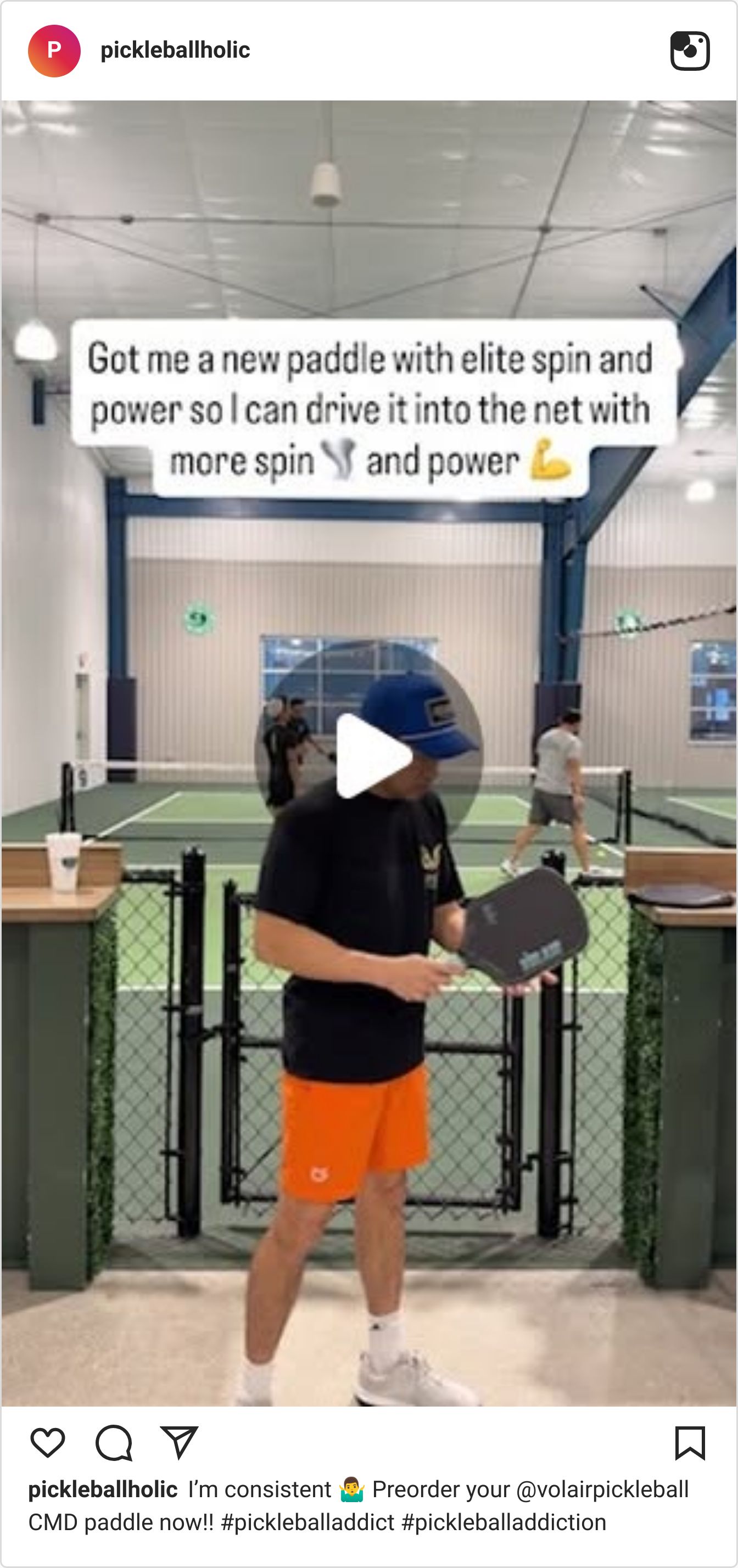
More spin and power 🤣
That’s it for today! As always, thank you for reading. 🙏
What did you think of today’s newsletter? Please reply with how you think I can improve. I read your feedback and appreciate all of it (for real)! 😄
Happy pickling,
Paul
